A roofing project creates debris fast. One minute the old shingles are still on the house, and the next you have torn-off material, underlayment, flashing, nails, wood scraps, and packaging piling up across the driveway like a storm hit in reverse. That is exactly why planning your roofing dumpster rental ahead of time matters.
If you are replacing a roof in Western Colorado, the right dumpster can keep your project cleaner, safer, and far more efficient. It helps your crew stay focused, protects your property from scattered debris, and saves you from making repeated landfill runs in the middle of an already demanding job. Whether you are a homeowner managing a reroof or a contractor coordinating multiple trades, a dumpster is not just a container. It is part of the workflow.
At Alpine Roll-Offs, we work with homeowners, roofers, builders, and property managers across the Western Slope and Roaring Fork Valley who need reliable waste solutions without the usual runaround. From Rifle and Glenwood Springs to New Castle, Silt, Carbondale, and beyond, we know roofing jobs move quickly and rarely wait for perfect timing. This guide covers what you need to know before your next roofing project so you can choose the right roofing dumpster rental with confidence.
Why a Roofing Dumpster Rental Matters More Than People Think
A roof tear-off looks simple from the street. A few workers up top, material coming down, maybe a trailer parked nearby. But once the job starts, waste adds up with surprising speed. Asphalt shingles are dense. Layers of old roofing can be heavier than they look. Add in felt paper, flashing, vents, damaged decking, and stray jobsite trash, and suddenly the cleanup side of the project becomes its own operation.
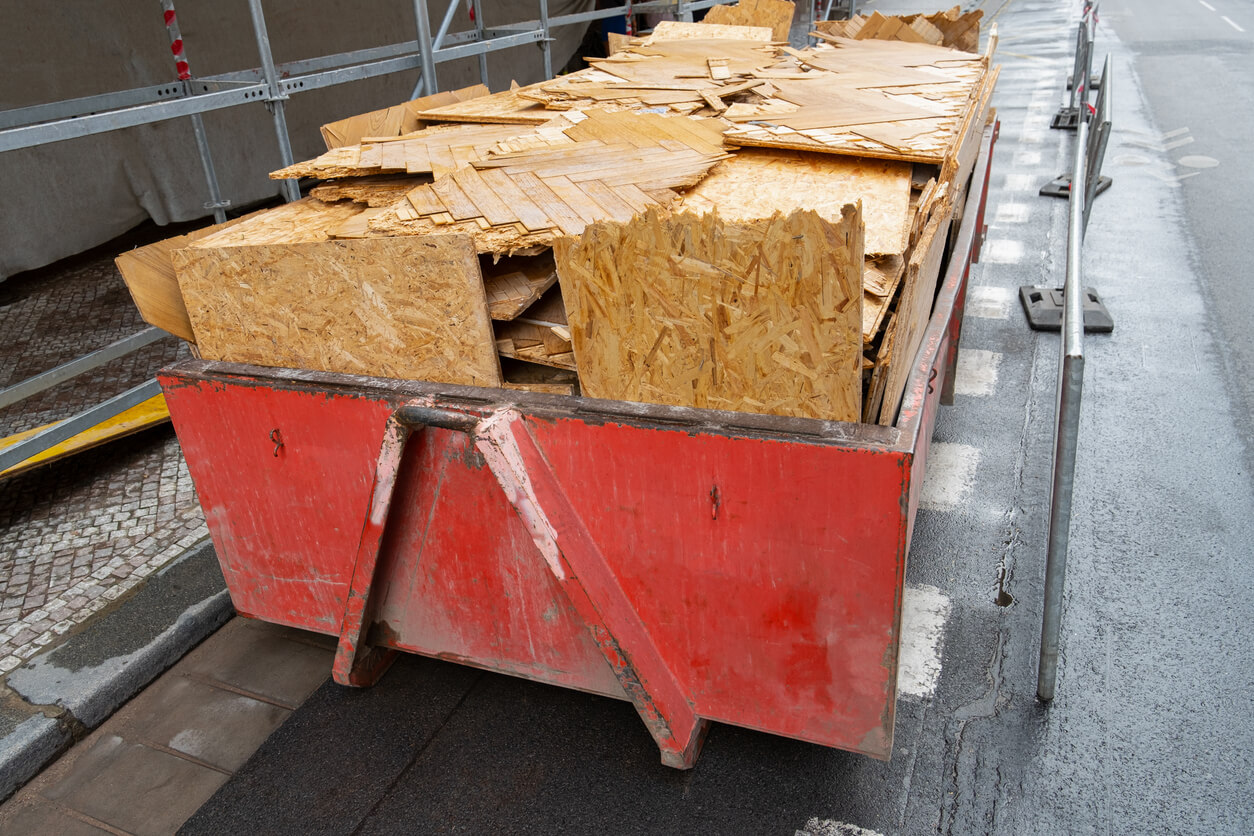
That is where a roofing dumpster rental earns its keep. Instead of tossing debris into loose piles or overstuffed pickup beds, your crew has one designated place to load everything as the project moves forward. That means fewer tripping hazards, less time spent handling debris twice, and a cleaner property at the end of each day. It also reduces the chance that nails, scraps, and sharp metal pieces end up scattered around landscaping, sidewalks, or driveways.
There is also a practical side that homeowners appreciate immediately. If you have ever stepped on a roofing nail in your own driveway after a project, you already understand why containment matters. A dumpster helps create order in a job that can otherwise feel chaotic.
What Type of Roofing Debris Goes Into a Dumpster?
Most roofing dumpster rentals are used for common tear-off and reroofing debris. That includes asphalt shingles, wood shakes, felt paper, synthetic underlayment, flashing, vents, drip edge, nails, and small amounts of damaged roof decking. Packaging from new roofing materials may also be included, depending on the project and the disposal guidelines.
However, not every material belongs in the same container. Some roofing jobs involve specialty materials or mixed debris that may require separate handling. Heavy materials like tile, slate, or large quantities of wood can affect both weight and disposal rules. If a roof has multiple layers, the load can become much heavier than a homeowner expects. A single-story ranch and a steep multi-layer mountain home are not playing the same game.
That is why it helps to speak with your dumpster rental provider before delivery. A quick conversation about the roofing material, square footage, and whether there is decking replacement involved can help avoid overloading, extra charges, or the wrong dumpster size.
Choosing the Right Dumpster Size for a Roofing Project
Dumpster size is one of the biggest decisions in a roofing dumpster rental, and getting it wrong can slow down the whole project. Too small, and you are scheduling extra hauls or stacking debris in places it should not be. Too large, and you may be paying for more capacity than you actually need.
For many residential roofing jobs, a 15-yard or 20-yard dumpster is a common fit. These sizes often work well for smaller homes, garages, sheds, or single-layer shingle tear-offs. For medium to larger homes, or projects involving multiple roofing layers, a 30-yard dumpster may make more sense. Large homes, commercial roofing jobs, or major tear-offs with wood replacement may require a 40-yard container depending on the material and local disposal rules.
The trick is that roofing debris is not just bulky. It is heavy. Asphalt shingles can turn a container into a lead boot fast. That is why weight limits matter just as much as volume. A container may look like it still has room, but that does not always mean it should be filled to the top with shingles.
If you are unsure, ask for guidance based on your roof size and material. An experienced provider can usually help estimate the right container by asking a few simple questions:
- How many squares is the roof?
- Is it a full tear-off or partial replacement?
- How many layers are being removed?
- Are you disposing of asphalt shingles, wood shakes, tile, or metal?
- Will damaged decking or other construction debris be included?
Where Should a Roofing Dumpster Be Placed?
Placement matters more than most people realize. A roofing dumpster should be close enough to the work area for efficient loading but positioned in a way that protects your property and keeps access clear. On many residential jobs, the driveway is the best location. It gives the crew a straight shot for loading and keeps the container stable on a hard surface.
That said, not every driveway is ideal. Steep grades, narrow approaches, soft shoulders, overhead branches, and tight neighborhood streets can all affect placement options. In some areas of Western Colorado, especially in mountain communities or rural properties, terrain can be a real factor. A site that looks simple on paper may feel more like threading a needle once the truck arrives.
If possible, think through the route before delivery. Make sure vehicles can still get in and out if needed. Consider whether the crew will be using wheelbarrows, chute systems, or hand-loading directly from the roof edge. If you want to protect concrete, pavers, or asphalt, ask whether boards can be used under the dumpster.
Good placement saves time. Bad placement turns every load into a longer walk, and on a roofing job, that extra effort adds up quickly.
How Long Should You Keep a Roofing Dumpster Rental?
Roofing projects tend to move fast when weather cooperates. A basic residential reroof may take only a day or two, while larger projects can stretch across several days depending on crew size, material delivery, and unexpected repairs. Your dumpster rental period should match the realistic pace of the project, not the best-case fantasy version where everything goes perfectly.
It is smart to have the dumpster delivered before tear-off begins, not halfway through the first day when shingles are already hitting the ground. Likewise, scheduling pickup too early can create pressure if the crew uncovers rotten decking, flashing issues, or weather delays. Roofing work in Colorado can pivot quickly when wind, snow, or afternoon storms decide to make an entrance.
A flexible rental period gives you breathing room. It also helps if your project includes more than roofing, such as gutter replacement, fascia repair, or exterior cleanup. Think of the dumpster as a buffer, not just a bin.
Common Mistakes to Avoid With Roofing Dumpster Rentals
One of the most common mistakes is underestimating debris volume and weight. Homeowners often assume a roof only creates a few truckloads of waste. In reality, tear-off debris can pile up like a broken dam once the first section comes down. Ordering a container that is too small often leads to delays and frustration.
Another mistake is waiting too long to schedule delivery. During busy construction and remodeling seasons, availability can tighten up. If your roofer is booked and ready, your dumpster should be too. Roofing projects run on timing. If one piece is late, the whole chain gets kinked.
People also run into issues when they mix prohibited items into the load. Roofing debris is one thing. Hazardous waste, liquids, chemicals, tires, and certain electronics are another. Tossing the wrong materials into the container can create disposal problems and additional costs.
And finally, there is placement. A dumpster dropped too far from the work zone or in a spot that blocks garage access can become an everyday irritation. A little planning up front avoids that.
Roofing Dumpster Rental for Homeowners vs. Contractors
Homeowners and contractors usually need the same core service, but they use it in different ways. Homeowners are often focused on convenience, property protection, and making sure the project does not turn their yard into a debris field. They want clear pricing, reliable delivery, and a straightforward pickup once the work is done.
Contractors, on the other hand, are looking at speed and coordination. They need a dumpster provider who shows up when promised, places containers where they are needed, and can respond quickly if the job changes. On active roofing and construction sites, downtime costs money. A late swap-out can ripple through the day like a loose shingle in high wind.
That is why dependable local service matters. If you are managing projects across Rifle, Glenwood Springs, Silt, New Castle, Carbondale, or nearby communities, working with a local company that understands the area can make the process smoother. Local roads, weather, access issues, and scheduling demands are easier to handle when your provider knows the territory.
Local Considerations for Roofing Projects in Western Colorado
Roofing in Western Colorado is its own animal. Between snow loads, sun exposure, wind, elevation, and seasonal weather swings, roofs here take a beating. That means roofing replacements are common, and cleanup needs to be handled efficiently.
In mountain and valley communities alike, access can vary wildly from one property to the next. One home has a clean, flat driveway. The next sits on a narrow slope with limited turnaround room and tree branches hanging low over the approach. Add changing weather, and a simple dumpster drop can become a logistics puzzle.
That is why working with a company familiar with the Western Slope matters. Alpine Roll-Offs serves customers throughout the region with prompt delivery, transparent pricing, and practical guidance on choosing the right dumpster for the job. We understand that roofing contractors and homeowners do not want vague answers. They want to know what size works, when it can be delivered, and how to keep the project moving.
How to Prepare for Dumpster Delivery Before Your Roof Tear-Off
A little prep goes a long way before your roofing dumpster arrives. Clear the delivery area of vehicles, trailers, and low obstacles. If the dumpster is going in the driveway, make sure there is enough room for the truck to approach, unload, and leave safely. If you have HOA rules, neighborhood restrictions, or permit questions, it is best to sort those out ahead of time.
You should also think about protecting the surrounding area. Move outdoor furniture, potted plants, basketball hoops, and anything else near the loading path. Roofing tear-offs are messy by nature. Even with a careful crew, debris has a way of bouncing, sliding, and landing where it was not invited.
It also helps to communicate with your roofer about the plan. If they use plywood, tarps, or magnetic nail sweeps, make sure everyone is aligned on where debris will be dropped and how the dumpster will be loaded. A coordinated setup keeps the site safer and more efficient from the first shingle to the final pickup.
What to Look for in a Roofing Dumpster Rental Company
Not all dumpster rental companies offer the same level of service. For a roofing project, you want more than a container and a generic delivery window. You want reliability, clear communication, and pricing that does not feel like a trap door.
Look for a company that offers transparent quotes, explains rental terms clearly, and helps you choose the right size based on your project. Fast response times matter too, especially if your roofer is trying to stay on schedule. Reviews can also tell you a lot. Words like “on time,” “easy to work with,” “friendly,” and “accommodating” are not fluff in this industry. They are signs that the company understands service is part of the product.
For roofing projects in Western Colorado, local experience counts. A provider who regularly serves the area is better equipped to handle access challenges, weather timing, and jobsite logistics without turning a simple rental into a headache.
Final Thoughts on Planning Your Roofing Dumpster Rental
A roofing dumpster rental may seem like one small detail in a larger project, but it has a direct impact on how smoothly the work goes. The right container keeps debris under control, helps protect your property, and gives your crew a cleaner, safer way to work. It is one of those behind-the-scenes decisions that can either support the project or quietly sabotage it.
If you are planning a roof replacement, tear-off, or repair project in Rifle, Glenwood Springs, New Castle, Silt, Carbondale, or anywhere across the Western Slope, Alpine Roll-Offs is here to help. We provide reliable dumpster rentals backed by prompt service, transparent pricing, and local knowledge that makes a difference when timing matters.
Before your next roofing project starts raining debris, make sure you have the right container in place. Contact Alpine Roll-Offs to get a free quote and find the best roofing dumpster rental for your job.