Highlights
- Budgeting dumpster rentals accurately prevents unexpected cost overruns on major construction sites.
- Understanding load weights, permit rules, and debris types helps streamline waste management expenses.
- Partnering with waste specialists ensures precise sizing and transparent pricing for commercial and residential builds.
Managing a construction site requires balancing strict timelines, material sourcing, subcontractor schedules, and strict budget constraints. Among these moving pieces, jobsite waste management often gets treated as an afterthought. Failing to properly plan for debris disposal can lead to delayed timelines, costly penalties, and logistical bottlenecks. Utilizing reliable dumpster rental services allows project managers to streamline site cleanup while keeping overall expenses predictable.
By working directly with industry specialists to plan waste management strategies, builders can protect their bottom line while keeping worksites clean and compliant. Knowing how to accurately budget for dumpster rental services ensures that every phase of your project runs efficiently from breaking ground to final cleanup.
Did You Know?
Did you know that construction and demolition activities generate over 600 million tons of waste annually in the United States alone? Proper waste sorting and container budgeting significantly reduce the amount of debris heading directly to local landfills.
Understanding the Factors That Influence Rental Costs
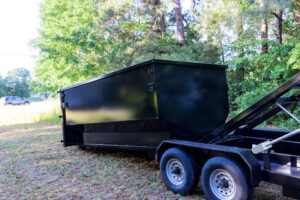
Professional dumpster rental services base their pricing structures on container capacity and load requirements. Sizing ranges from small 10-yard units for light residential updates to massive 40-yard containers suited for commercial demolitions. Selecting a container that is too small leads to frequent haul-away fees, while choosing a container that is too large wastes capital on unused space.
Did You Know?
Did you know that heavy materials like concrete, brick, and dirt are subject to strict density limits? Placing these dense items in a standard container without specialized hauling considerations can instantly trigger severe weight overage penalties.
Analyzing the True Cost of Inaccurate Sizing
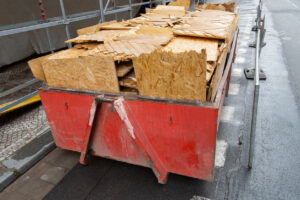
Estimating waste volume without professional input often leads to miscalculated budgets. When containers overflow, work halts because crews have no designated place to discard debris safely. This creates safety hazards on site, violates local worker safety codes, and drives up labor costs as workers spend time rearranging trash rather than building.
Partnering with experienced providers like Alpine Roll-Off Services resolves these sizing challenges. Waste specialists analyze your architectural blueprints, material lists, and site footprint to recommend the ideal roll-off capacity. Their industry knowledge prevents unnecessary swap-out fees while keeping your project compliant with regional disposal regulations.
Budgeting Categories for Construction Site Waste
To build an exhaustive financial outline for waste disposal, segment your expected expenses into distinct operational categories.
- Base Hire Rate: The flat fee covering delivery, pickup, and a standard rental duration.
- Tonnage Allowances: The pre-paid weight limit included in your initial service agreement.
- Permit Fees: Charges levied by municipal bodies if containers rest on public streets or right-of-ways.
- Special Disposal Fees: Additional surcharges for restricted materials such as appliances, tires, or hazardous waste.
Factoring in these variables prevents unexpected line-item surprises when final invoices arrive.
Navigating Local Regulations and Permit Fees
Placing roll-off units on private property, such as a driveway or secured construction yard, generally requires no special city permission. However, urban construction sites often force project managers to place containers on public streets, sidewalks, or alleyways. In these instances, municipal permits are mandatory.
Failure to secure proper street permits results in daily fines and potential container impoundment, disrupting your entire project schedule. You can review official guidelines on highway and street usage through the Federal Highway Administration to understand how public right-of-way regulations apply to staging equipment. Navigating these requirements in advance ensures permit fees are calculated into the initial project budget.
Avoiding Common Overweight and Contamination Penalties
Unexpected penalties quickly ruin an otherwise accurate construction budget. The two most common penalties are weight limit overages and material contamination fines.
Material contamination occurs when restricted items are mixed into general construction debris. Local landfills enforce strict policies regarding hazardous materials, electronics, and liquid waste. To avoid fines, establish clear waste sorting stations on your site and communicate disposal guidelines to all subcontractors.
For projects aiming for green building certifications, sorting materials like metal, untreated wood, and cardboard can also reduce overall costs. Exploring sustainable practices detailed by the U.S. Environmental Protection Agency offers insight into how recycling C&D materials keeps disposal costs predictable while fulfilling environmental requirements.
Maximizing Efficiency with Professional Logistics
Logistical timing impacts your overall budget just as much as container size. Scheduling haul-aways during low-traffic hours or aligning container swaps with major demolition milestones prevents downtime.
When you coordinate your schedule with dedicated professionals, you streamline your entire disposal process. Reliable teams like Alpine Roll-Off Services deliver prompt container swaps, ensuring your site remains productive without paying for idle haulers. Furthermore, securing full-service dumpster rental services guarantees tailored delivery schedules, flexible hire durations, and direct, transparent pricing designed for your build timeline.
Working with specialists who offer dependable dumpster rental services removes guesswork from your financial planning. This transparency allows contractors to submit more competitive bids while protecting their profit margins.
Strategizing for Long-Term Construction Projects
Multi-phase builds require adaptive waste management strategies. As a project transitions from framing to interior finish work, the type and volume of debris shift dramatically.
- Phase 1 (Demolition & Framing): Heavy, high-volume waste like concrete, scrap lumber, and masonry. Requires larger units and high weight allowances.
- Phase 2 (Mechanical & Drywall): Bulky but lighter materials such as insulation, drywall cutoffs, and piping. Focus shifts to volume over weight limits.
- Phase 3 (Finishing & Landscaping): Packaging materials, trim scraps, and organic debris. Smaller containers or scheduled final pickups keep costs low.
Adjusting your container fleet based on project phases prevents paying for excess capacity during low-debris periods. Implementing efficient waste strategies aligns with broader business models outlined by the U.S. Small Business Administration on operational cost management for growing contractors.
Choosing the Right Waste Management Partner
Selecting a reliable haulage vendor is the ultimate step in securing an accurate waste management budget. Look for companies offering comprehensive dumpster rental services with transparent billing, flexible terms, and responsive customer service. Avoid companies that use vague pricing structures or hidden fuel surcharges.
Established providers, such as Alpine Roll-Off Services, act as true project consultants rather than simple equipment suppliers. Their guidance helps contractors choose optimal drop zones, balance load weights correctly, and maintain continuous site operations within set financial parameters.
Proper waste management planning is essential for running a profitable, efficient construction site. By calculating true debris volumes, accounting for potential permit needs, and choosing the right container capacity, contractors can avoid costly delay fees and unexpected line items. Partner with the dedicated team at Alpine Roll-Off Services today to streamline your waste hauling logistics and secure transparent pricing.
Frequently Asked Questions
If a container exceeds its maximum weight allowance, disposal facilities charge an additional per-ton overage fee. These fees are added directly to your final rental invoice based on official landfill scale receipts.
Permits are generally not required if the container stays on private property. However, if the unit sits on a public street, sidewalk, or city alley, you must obtain a public right-of-way permit from your local municipality.
Instead of guessing, the team at Alpine Roll-Off Services will help you choose the right unit by analyzing your project plans, material lists, and jobsite footprint. Whether you need a smaller container designed for high-density materials like concrete and brick, or a large 30- or 40-yard unit for general construction debris, our specialists ensure you get the exact capacity required without paying for unnecessary swap-out fees or unused space.