
Highlights
- The right dumpster size depends on the type, volume, and weight of debris your residential project will create.
- Placement space, local rules, prohibited materials, and rental length should be reviewed before delivery.
- Comparing local dumpster rentals based on service, pricing transparency, and project needs can prevent delays and unexpected charges.
- Planning disposal from the beginning makes renovations, cleanouts, landscaping, and demolition projects easier to manage.
Deciding the Best Dumpster Rental for Residential Projects
Home projects can produce far more debris than expected. A kitchen renovation may generate cabinets, drywall, flooring, packaging, and broken fixtures, while a garage cleanout can quickly create piles of furniture, boxes, and household junk. Without a disposal plan, that material can crowd driveways and slow progress.
Renting a roll-off dumpster gives homeowners one place to collect debris. However, choosing the right container involves more than selecting the first available size. The best choice should match the debris type, property layout, project timeline, and disposal requirements. Homeowners comparing local dumpster rentals can decide confidently by reviewing these factors before delivery.
Start With the Type of Residential Project
The first step is identifying what kind of work you are completing. A basement cleanout may consist mostly of bulky household items, while a bathroom remodel can produce dense materials such as tile, plaster, and old fixtures.
Local dumpster rentals can support renovations, estate cleanouts, roofing projects, landscaping, deck removal, garage cleanouts, and small demolition jobs. Estimating what will be discarded helps narrow down the right container.
Consider whether the debris will be light, bulky, or heavy. Concrete, dirt, brick, and shingles can add substantial weight before a dumpster appears full.
Definition:
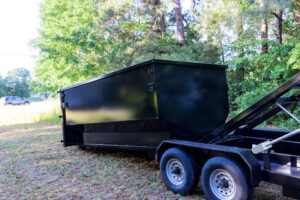
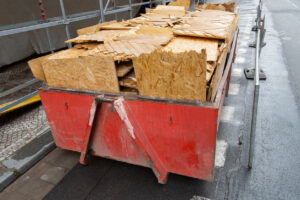
A roll-off dumpster is an open-top waste container delivered and removed by a specialized truck. Its design makes it practical for temporary residential cleanup and construction projects.
Choose a Dumpster Size That Matches the Debris
Selecting the correct size is one of the most important parts of the rental process. A container that is too small may require an additional haul, while one that is much larger than necessary may mean paying for unused capacity.
Estimate how much debris the project will produce, including bulky items such as cabinets, mattresses, or furniture. If you are uncertain, a rental provider can often recommend a size based on similar projects.
Alpine Roll-Offs can help homeowners evaluate disposal needs and choose a practical option rather than guessing. This can be especially useful when a project includes a mix of bulky and heavy debris.
Review Weight Limits and Accepted Materials
Dumpster size does not automatically determine how much weight can go inside. Rental terms may include a specific weight allowance, with added charges if the load exceeds it. Homeowners should discuss heavy materials before delivery.
Confirm what can and cannot go into the container, since some materials require separate handling. The U.S. Environmental Protection Agency offers information about household hazardous waste. Homeowners can also consult Earth911 for recycling resources and general safety information relevant to renovation and construction work.
Never assume paint, chemicals, batteries, appliances, tires, or specialized waste can go into a standard roll-off dumpster. Asking beforehand can prevent rejected loads or extra fees.
Plan the Dumpster Placement Before Delivery
A roll-off container needs a stable, accessible location. Driveways are common placement areas, but homeowners should consider overhead wires, branches, gates, narrow entrances, parked vehicles, and soft surfaces.
The delivery truck needs room to position and unload the container. Clear the area before arrival, keep the path open, and ask whether driveway protection is appropriate.
For homeowners exploring residential dumpster rental options, discussing placement with the provider in advance can make delivery smoother and reduce the chance that the container must be repositioned.
Check Whether a Permit May Be Required
A dumpster on a public street, alley, or right-of-way may require a permit or temporary-use approval.
Local rules vary, so homeowners should check requirements before scheduling street placement. Choosing local dumpster rentals can help because a provider that regularly serves the area may understand common placement restrictions and local procedures.
Definition:
A dumpster rental period is the agreed amount of time a customer may keep the container before pickup. Rental periods vary by provider and may include added charges if the dumpster is kept beyond the scheduled timeframe.
Match the Rental Period to the Project Schedule
A one-day cleanout may require only a short rental, while a remodel can extend over several days or weeks. Think about when debris will be generated and when the container will actually be ready for pickup.
Scheduling the dumpster too early can use rental days before work begins. Scheduling it too late can leave demolition debris piled around the property. Coordinate delivery with the start of the messiest phase of the project.
When comparing dumpster rentals, ask what happens if the project runs longer than expected. Understanding extension policies, pickup procedures, and possible added fees makes it easier to adjust if the project schedule changes.
Compare Pricing Beyond the Base Rate
The lowest advertised price is not always the lowest final cost. Ask what the quote includes and what may create additional charges.
Important details can include delivery, pickup, disposal, included weight, excess weight, rental duration, prohibited items, relocation, and additional hauls. A clear quote makes providers easier to compare.
Alpine Roll-Offs can be a useful resource for homeowners who want to understand the rental process before choosing a container. When evaluating dumpster rentals, prioritize clear communication and a service option that fits the actual project.
Load the Dumpster Safely and Efficiently
How a dumpster is loaded can affect available space and safe transportation. Place heavier items toward the bottom when practical and distribute weight across the container instead of concentrating everything on one side.
Break down bulky items when possible to reduce empty gaps. Keep debris below the designated fill line and avoid allowing materials to extend over the top or sides. Children and pets should remain away from the dumpster and active work area because sharp or unstable debris may create hazards.
Frequently Asked Questions
The best size depends on how much material you are removing and how bulky the items are. According to World Metrics, 10-yard dumpsters are the most popular size for residential cleanouts, making up 40% of homeowner requests, but your needs may be different! A provider can recommend a container after learning whether the cleanout involves one room, an entire home, furniture, renovation debris, or mixed materials.
Many common renovation materials can be accepted, but restrictions vary. Ask the provider about drywall, wood, flooring, roofing materials, fixtures, concrete, and other debris before loading. Hazardous or specialized materials may require separate disposal.
Alpine Roll-Offs offers roll-off dumpsters ranging from 15 to 40 yards, giving customers options for projects of different sizes. Whether you are handling a home cleanout, renovation, construction job, or commercial cleanup, the team can help you choose a dumpster that fits the amount and type of debris you expect to generate. Alpine Roll-Offs also provides flexible rental periods, prompt delivery, and convenient pickup throughout Western Colorado and the Roaring Fork Valley.
Make Residential Cleanup Easier With Alpine Roll-Offs
Choosing the right dumpster can simplify a residential project from start to finish. By considering debris type, container size, weight limits, placement, rental length, local rules, and pricing, homeowners can avoid many common disposal problems.
If you are comparing local dumpster rentals for a renovation, cleanout, landscaping project, or other residential job, Alpine Roll-Offs can help you choose a practical container. Contact Alpine Roll-Offs to discuss your project, review rental options, and schedule a roll-off dumpster that keeps cleanup organized from start to finish.